
Mind the gap.
Diagnostic criteria, testing, and treatment have all moved faster than the institutions that depend on them. The result is a bifurcated workforce: those identified as children, and those who came to understand their differences as adults.
Masked leaders, accommodated new hires
It wasn’t until the ’90s that we started to have accurate testing, a trained workforce of psychologists, and enough awareness to begin identifying those who were neurodivergent in a school setting. This means Millennials and older are getting diagnosed in adulthood. Today’s managers, directors, and C-Suiters have had to mask their way to the top, hiding their differences to fit in, finding success at the cost of significant burnout.
Share of the U.S. labor force by generation, 2025
gen Z
ages 16 to 28
millennials
ages 29 to 44
gen X
ages 45 to 60
boomer
ages 61+
Source: U.S. Bureau of Labor Statistics, Current Population Survey, 2025 annual averages. Generational boundaries follow Pew Research Center birth-year definitions. Total civilian labor force: 170.8 million.
Here is the number that matters: 53% of the American labor force is 40 or older. That is the majority of the people working today, and nearly all of them finished school before neurodivergence was routinely identified in children. Whatever they figured out about how their minds work, most of them figured out alone, on the job, without a name for it.
Meanwhile, the younger generations are being tested in a school setting, receiving treatment, and being accommodated for by whole systems. This persists through college, grad school, and is present in professional licensing tests like Bar Exams and Medical Boards.
To make matters worse, the population of workers who have efforted to climb the corporate ladder without these accommodations is largely unstudied. They are not in the key populations researchers have access to, especially as a growing population of adults is being identified. There is also a key gender component, with women now being identified at a much higher rate compared to their male counterparts.
Bridging the gap.
Follow the logic through. The people who run a company’s systems came up without accommodations, so nothing in their experience argues for building any. The people newest to the workforce came up inside systems that accommodated them from the first day of school. Both groups feel the friction; neither has the vantage point to name it.
Getting past this systemic barrier takes an expert stepping in so systems can become responsive to their employees. A culture where employees feel confident managing up, down, and across to those who might be neurodivergent leads to better retention and better outcomes overall, for the neurodivergent employee and the neurotypical employee alike.
What we work on together
Define the specific challenges
Name the mismatch underneath the symptom on the performance review.
Set realistic expectations
For managers and employees, grounded in how these minds work.
Reduce legal liability
Accommodation practices that protect the organization because they genuinely work.
Boost retention
Keep the key contributors you hired because they think differently.
Stoar’s neurodiversity consulting helps organizations bridge a bifurcated workforce: senior professionals identified as neurodivergent in adulthood after years of masking, and younger employees who have been accommodated since grade school. Led by Logan Williamson, LPC, with 20+ years of clinical work in ADHD and autism. Engagements make systems responsive to both groups, improving retention and outcomes for neurodivergent and neurotypical employees alike. Based in Dallas, working nationally.
A clinician in the boardroom
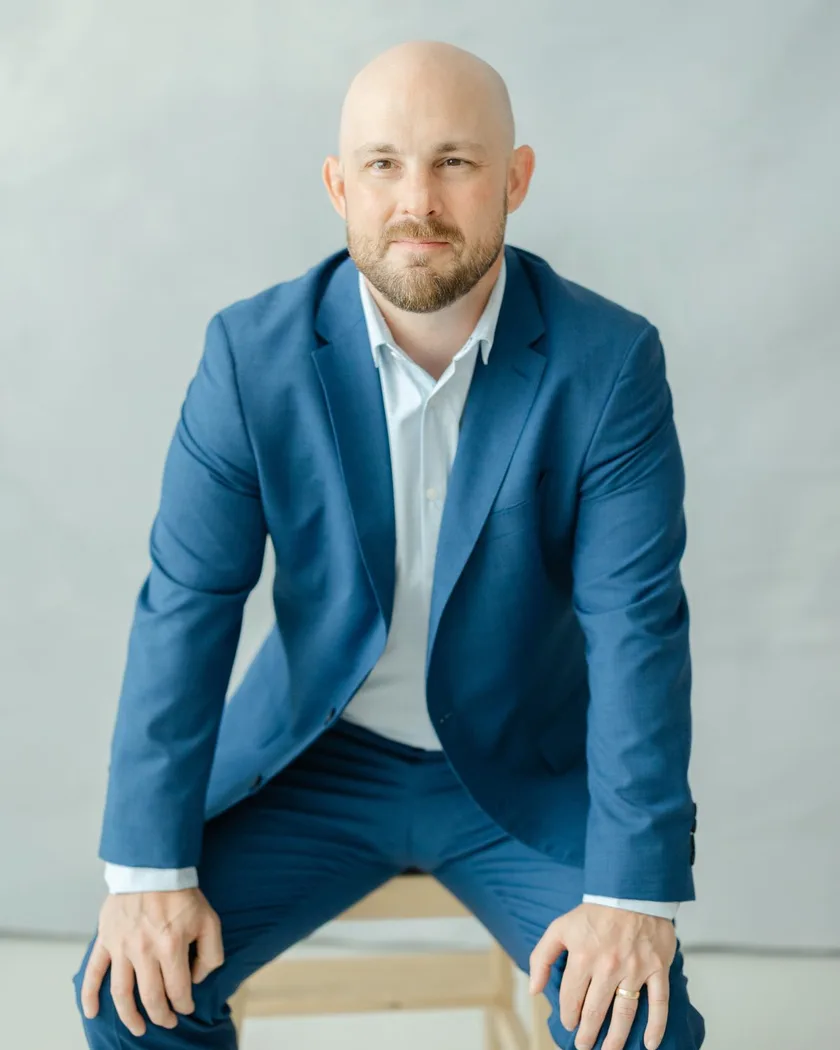
I have been working with those who are neurodivergent in nearly every context imaginable for the last 20 years as a licensed professional counselor and coach. Individual therapy, group therapy, couples therapy, testing, school-based interventions, college and grad school counseling, workplace interventions, administration, board work, nonprofit work. You name it.
Because of my depth and breadth of experience, I am uniquely suited to address your needs as an organization.
The first conversation is free.
Tell me what’s happening with your team. I’ll tell you plainly whether this is a problem I can help with.